
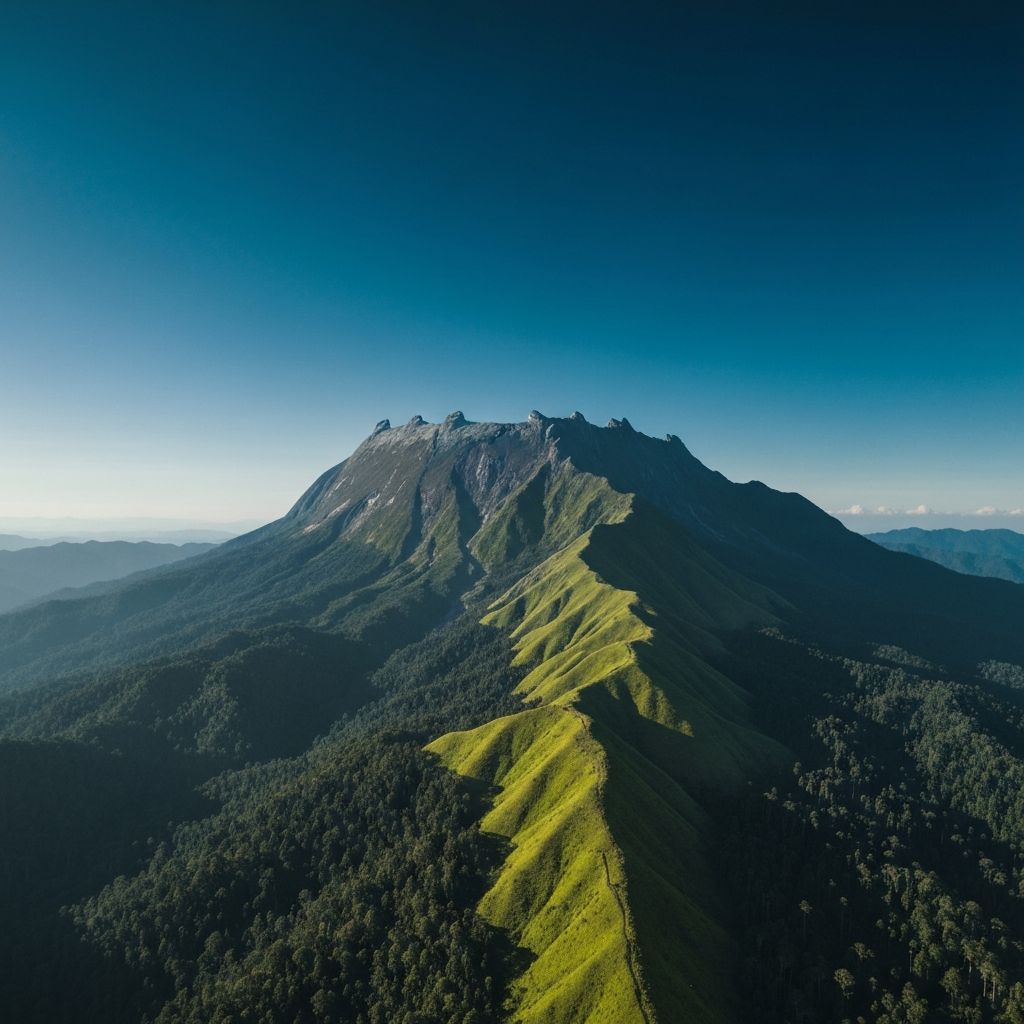
Welcome to Mount Kinabalu - Southeast Asia's Highest Peak
Mount Kinabalu stands as Southeast Asia's tallest mountain, towering 4,095 meters above sea level and commanding respect from adventure enthusiasts worldwide. This UNESCO World Heritage Site represents not only a geographical marvel but also a biodiversity hotspot housing thousands of plant and animal species found nowhere else on Earth. The mountain's dramatic elevation change creates distinct ecological zones, from tropical rainforest at the base to alpine meadows near the summit. Mount Kinabalu's accessibility through established climbing routes makes it achievable for determined trekkers without mountaineering experience, while its challenging terrain and unpredictable weather demand respect and proper preparation. For eVisa holders seeking significant adventure experiences in Malaysia, Mount Kinabalu represents the ultimate challenge and reward, offering unforgettable sunrise views from the summit, profound personal accomplishment, and immersion in pristine natural environments. The standard two-day climb combines physical challenge, natural beauty, and spiritual significance, making it an essential Malaysian experience for adventure travelers.
Quick Facts
Region
West Coast Sabah
State
Sabah
Top Attractions & Activities
Summit Trail (Kota Belud Route)
The primary climbing route featuring a two-day expedition with overnight stay at Laban Rata rest house. Day one involves climbing through diverse forest zones reaching the rest house. Day two starts before dawn to reach the summit for sunrise views. The route is well-maintained with established camps and facilities supporting trekkers at various fitness levels.
Kundasang War Memorial
Located near the park headquarters, this memorial honors World War II casualties. The site provides historical context of the region during wartime and offers panoramic views of the mountain and surrounding landscape. The peaceful garden setting provides reflective experiences.
Kinabalu Park Trails
Multiple shorter trails within the park offer various difficulty levels and durations, from easy 30-minute walks to challenging multi-hour hikes. These trails provide opportunities to experience the mountain's diverse ecosystems without attempting the full summit climb.
Wildlife Observation Points
Various locations within the park provide opportunities to observe Borneo's unique wildlife including orangutans, sun bears, flying squirrels, and numerous bird species. Early morning observations offer the best wildlife viewing opportunities as animals are most active during cooler hours.
Botanical Gardens
Located at park headquarters, the gardens showcase the region's diverse plant species including orchids, carnivorous plants, and medicinal herbs. The gardens provide accessible botanical education and beautiful photography opportunities.
Best Time to Visit
Mount Kinabalu can be climbed year-round, though weather conditions vary significantly by season. May to September offers the most stable weather with lower rainfall and better visibility, making this the optimal climbing season. December to February experiences higher rainfall but fewer climbers, providing more tranquil experiences. March to April and October to November are transitional periods with variable conditions. Weather on the mountain changes rapidly; even during optimal seasons, afternoon rains occur. Cloud cover at the summit is common regardless of season, though sunrise views occur more frequently during dry season. Book climbs well in advance, particularly for peak season periods. The mountain's altitude demands acclimatization; spending a night at Kota Kinabalu before climbing helps the body adjust to high-altitude conditions.
How to Get There
Mount Kinabalu is located within Kinabalu Park, approximately 90 kilometers from Kota Kinabalu city. The park is accessed via a scenic drive through Kundasang town, taking approximately 2-2.5 hours from Kota Kinabalu airport. Most visitors arrange transportation through hotels or tour operators providing transfers and climbing packages. The park entrance station processes permits and briefings. Park headquarters provides accommodation, dining, and rental equipment facilities. Guided climbs are mandatory for safety and include experienced mountain guides familiar with the terrain, altitude variations, and weather patterns. The standard two-day climb is the most popular option, though experienced mountaineers may attempt alternative routes.
Malaysia eVisa & MDAC
International climbers must possess valid Malaysia eVisa to ascend Mount Kinabalu. The eVisa is obtainable through our official online platform with approvals typically issued within 24-48 hours. The eVisa permits tourism and adventure activities throughout Malaysia, including mountaineering. Upon arrival at Kota Kinabalu International Airport, visitors must complete the Malaysia Digital Arrival Card (MDAC) process at immigration. Additionally, climbers must register with Kinabalu Park authorities and pay park fees. Our integrated platform streamlines eVisa and MDAC processes, allowing you to begin Mount Kinabalu adventure preparation immediately upon arrival in Malaysia.
Where to Stay
Mount Kinabalu climbing typically involves two nights' accommodation. Night one is usually in Kota Kinabalu or nearby towns (various hotels available). Night two is at Laban Rata rest house on the mountain, operated by the park authority. Laban Rata provides basic but functional dormitory accommodations with meals included. Climbers should book Laban Rata reservations well in advance, particularly during peak season. Pre-climb accommodation in Kota Kinabalu offers diverse options from budget hostels to luxury hotels. Post-climb relaxation in Kota Kinabalu is recommended to recover from the physical exertion. Some climbers arrange wellness resort stays combining the climbing experience with spa and relaxation treatments.
Local Cuisine
Meals during the Mount Kinabalu climb are provided as part of organized packages. Day one includes packed lunch for the trail and dinner at Laban Rata. Day two provides early breakfast before dawn summit attempt. The food is designed to provide adequate nutrition and energy for the challenging climbing conditions. Traditional Malaysian cuisine is served alongside international options. After completing the climb, returning to Kota Kinabalu offers culinary recovery experiences with local Sabahan specialties including seafood dishes and traditional preparations reflecting Borneo's culinary heritage.
Travel Tips
Proper physical conditioning before the climb significantly improves success rates and enjoyment. Start training weeks in advance with regular cardiovascular exercises and leg strengthening. Pack appropriate gear including water-resistant clothing, sturdy hiking boots, and sun protection. Acclimatization is crucial; spend time at elevated altitudes if possible before climbing. Stay hydrated throughout the climb but avoid excessive consumption that may cause discomfort. Use hiking poles to reduce knee strain during descent. Altitude sickness affects some climbers despite acclimatization; communicate with guides about any discomfort. The summit trail can be crowded during peak season; start climbing early to avoid congestion. Respect the mountain's power; weather conditions can change rapidly and climbing should be abandoned if conditions deteriorate.
Nearby Attractions & Related Destinations
Frequently Asked Questions
What is the best time to visit Mount Kinabalu - Southeast Asia's Highest Peak?
Mount Kinabalu can be climbed year-round, though weather conditions vary significantly by season.
Do I need a visa to visit Malaysia?
Most international visitors require a Malaysia eVisa. You can apply through our official online portal for quick and convenient processing.
What should I pack for Mount Kinabalu - Southeast Asia's Highest Peak?
Proper physical conditioning before the climb significantly improves success rates and enjoyment. Also bring essentials like sunscreen, a reusable water bottle, and any medications you may need.
Ready to Visit Mount Kinabalu - Southeast Asia's Highest Peak?
Apply for your Malaysia eVisa today and start planning your journey to Mount Kinabalu - Southeast Asia's Highest Peak. Quick, secure, and approved within 24-48 hours.